Cotton Fails a Knife Before the Motion Is Even Finished (Test 6)

Test 6 of GAUSS Material Trials. The most worn fabric in human history — one layer through before the motion completed, two layers the same. The cut looked like scissors made it.
Test 6 of GAUSS Material Trials. Cotton. The most worn fabric in human history — in clothing, in bedding, in the shirt you're probably wearing right now. I wanted it to put up a fight. It didn't.
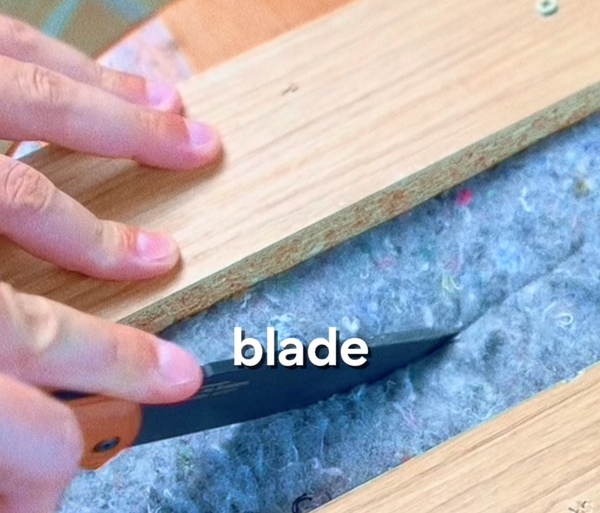
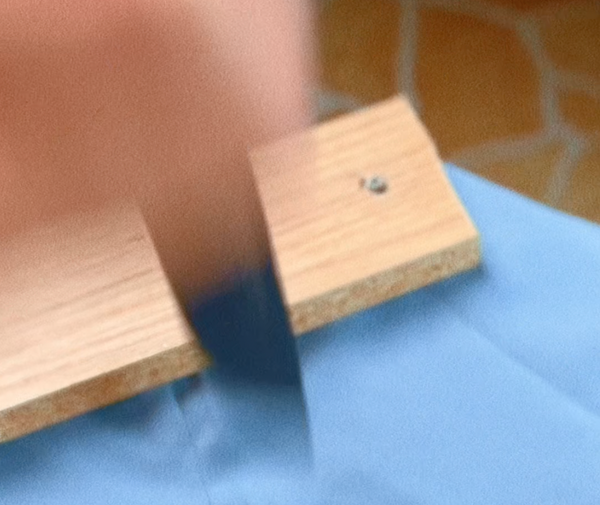
One layer on the bench. The blade went through before I even finished the motion. Not through at the end of a deliberate push — through before the full force was applied, as if the fabric wasn't there. I cut a new piece, measured it, folded it, doubled it, screwed it down tight. Gave it every advantage the test setup allows. Same result. Two layers of cotton against a knife is still zero resistance. The only difference between one layer and two was the sound — slightly more, slightly less than nothing.
I pulled the sample out and opened the cut. It was so clean it looked like it had been made with scissors. No fraying at the edges, no torn fibers pulling in different directions — a straight, smooth line where the blade had passed. That kind of cut means the fabric offered no lateral resistance at any point. The blade didn't fight through anything. It just moved.
Eight billion people trust this fabric every day. Not as protection — nobody thinks cotton stops a knife — but as the default material for the thing between their skin and the world. The gap between what clothing is made of and what it would need to be made of to offer any real protection is enormous, and cotton is the clearest illustration of that gap. [Test 1] and [Test 2] showed that even Kevlar in the wrong construction fails. Cotton doesn't even offer a starting point. It's the baseline — the thing everything else has to be better than.
Test 7 drops tomorrow. New material. Same blade. Six materials tested, still searching. Building the world's first indestructible luxury jacket from rural Brazil — one daily test at a time.