Nylon Melts and Quits. Cotton Burns and Doesn't Stop. Neither Is Protection. (Test 9)

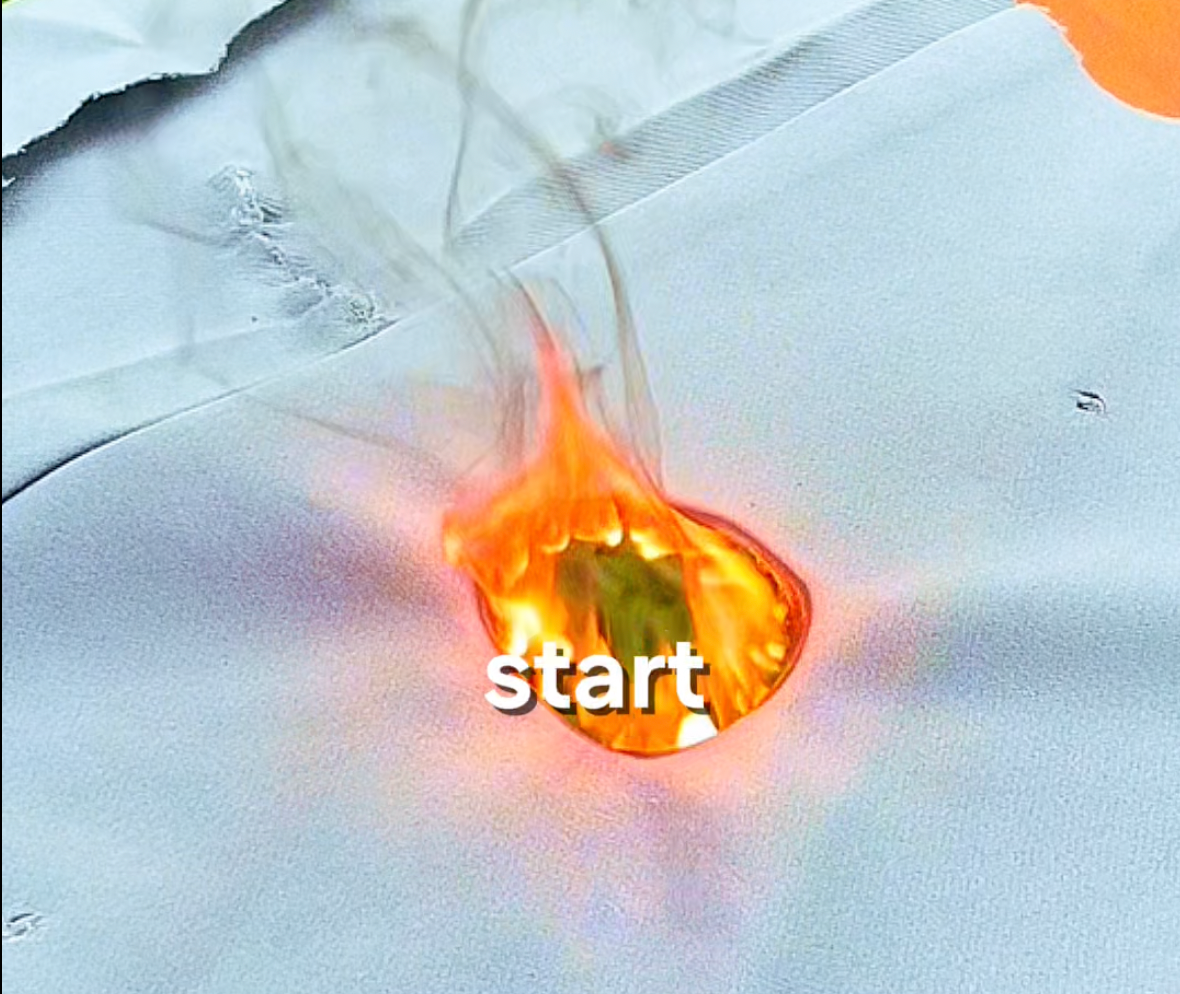
Test 9 of GAUSS Material Trials. Nylon self-extinguishes with one breath and leaves almost no damage — but it does so by melting, not by holding. That distinction matters.
Test 9 of GAUSS Material Trials. Nylon — synthetic, stretchy, the fabric in half the performance gear on the market. [Test 7] put cotton against flame and watched it sustain combustion without stopping. Today I expected something different from nylon. I expected it to melt. I was right about the melting. Wrong about what that meant.
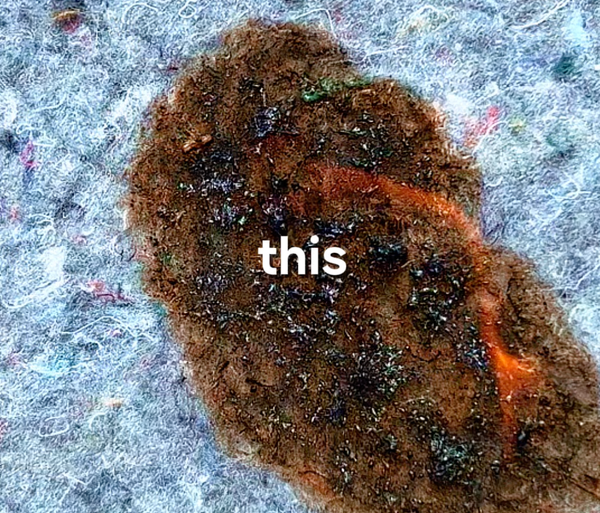
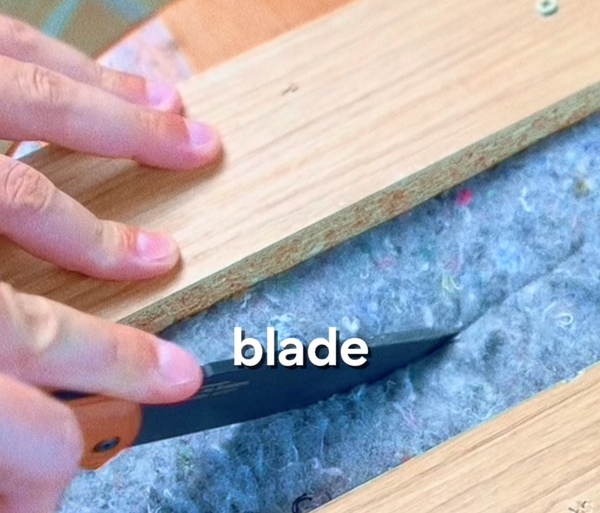
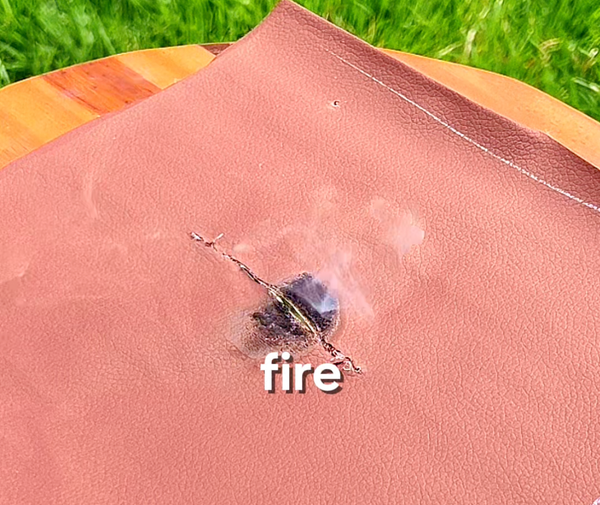
One layer on the bench. Flame on. The material caught and accelerated — faster ignition than cotton, the kind of rapid spread that usually signals a bad result. Then I blew on it. Gone. Immediate extinction, clean, like the flame had never found its footing. So I doubled it, locked it down, hit it again. Two layers barely held a flame at all — the fire struggled to establish itself, and one breath ended it. I pulled the sample out and looked at the damage. Almost nothing. A faint mark, surface discoloration, no structural breach.
That looks like a result. It isn't. Nylon self-extinguishes not because it holds against heat but because it melts. The fiber retreats from the flame source — it liquefies and pulls away from the combustion point, starving the fire of material to burn. The flame goes out because the fabric is gone from that spot, not because the fabric stopped anything. The near-absence of damage on the sample is a record of what retreated, not what held.
Holding a nylon sample next to the cotton from [Test 7] makes the comparison concrete: one burned through and kept going, one melted and quit. Cotton sustains combustion. Nylon collapses before combustion can sustain itself. Both failure modes leave you without protection. I'm not sure which is worse to wear.
Test 10 drops tomorrow. New material. Same search. Nine materials tested, still looking for the one that holds. Building the world's first indestructible luxury jacket from rural Brazil — one daily test at a time.